
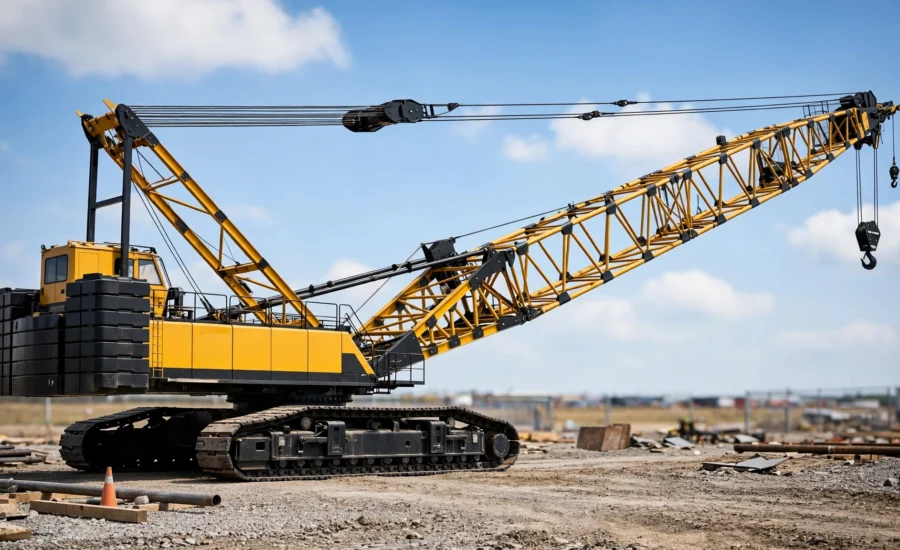
A crawler crane for mining is a specialized machine. This machine works in extreme conditions. This machine lifts heavy loads daily. This machine moves on rough terrain. A crawler crane for mining operates in dust. This crane works in heat. This crane works in mud. This crane works on slopes. Selecting the right crawler crane for mining is critical. The wrong choice costs money. The wrong choice causes delays. The wrong choice creates safety risks. This guide covers selection. This guide gives you 7 key factors. The equipment must match your site. The machine must handle your loads. A crawler crane for mining must fit your budget. Read this guide carefully. Apply these factors to your selection.
Table of Contents
- 1. Factor 1: Lifting Capacity Requirements
- 2. Factor 2: Mobility and Terrain
- 3. Factor 3: Boom Configuration
- 4. Factor 4: Undercarriage and Track Design
- 5. Factor 5: Power Source and Fuel Efficiency
- 6. Factor 6: Safety Features
- 7. Factor 7: Maintenance and Support
- 8. Additional Considerations for Mining Applications
- 9. Conclusion
- Our Business Partners
1 Factor 1: Lifting Capacity Requirements
The first factor is capacity. Capacity determines what you can lift. Mining loads are very heavy. Mining loads include ore. Mining loads include equipment. Mining loads include structural components. Your equipment must handle these weights. Calculate your maximum load first.
Calculate Your Load Weight
List every item you plan to lift. Include the heaviest components. Include replacement parts. Include maintenance items. Add the rigging weight. Add the hook weight. Add the block weight. This total is your gross load. Your machine must exceed this weight. Apply a safety margin of 20 percent. Never operate at maximum capacity.
Consider Future Needs
Mining operations change over time. Deeper mines need more capacity. New equipment is heavier. Production increases require more lifts. Select equipment with extra capacity. Extra capacity handles future demands. Extra capacity provides flexibility. Extra capacity improves safety. Think long term for your equipment.
Capacity Ranges
Crawler cranes range from 50 tons. Crawler cranes exceed 3000 tons. Small mines need 100 to 200 tons. Medium mines need 300 to 600 tons. Large mines need over 1000 tons. Match the machine to your operation. Consult with manufacturers. Get professional recommendations. The right capacity supports your operation.
2 Factor 2: Mobility and Terrain
The second factor is mobility. Mining sites have rough terrain. Mining sites have steep slopes. Mining sites have soft ground. Your equipment must move safely. Your crane must navigate the site.
Ground Conditions
Assess your mine ground conditions. Is the ground hard or soft? Is the ground wet or dry? Is the ground level or sloped? The machine works on soft ground. Tracks distribute weight evenly. Tracks prevent sinking. But extreme conditions need special tracks. Wide tracks for soft ground. Narrow tracks for hard rock. Choose tracks for your machine.
Slope Capability
Mining sites have slopes. Ramps go underground. Roads climb hills. Your equipment must climb slopes. Check the manufacturer slope rating. Most crawlers climb 30 percent grades. Some climb 50 percent grades. Steeper slopes need more power. Steeper slopes need better traction. Slope capability matters for your equipment.
Site Access
Consider how the machine reaches your site. Transport routes may be narrow. Transport routes may have bridges. Transport routes may have overhead lines. The crane may need disassembly for transport. Transport requires special permits. Transport requires special trailers. Plan transport before selecting your machine.
3 Factor 3: Boom Configuration
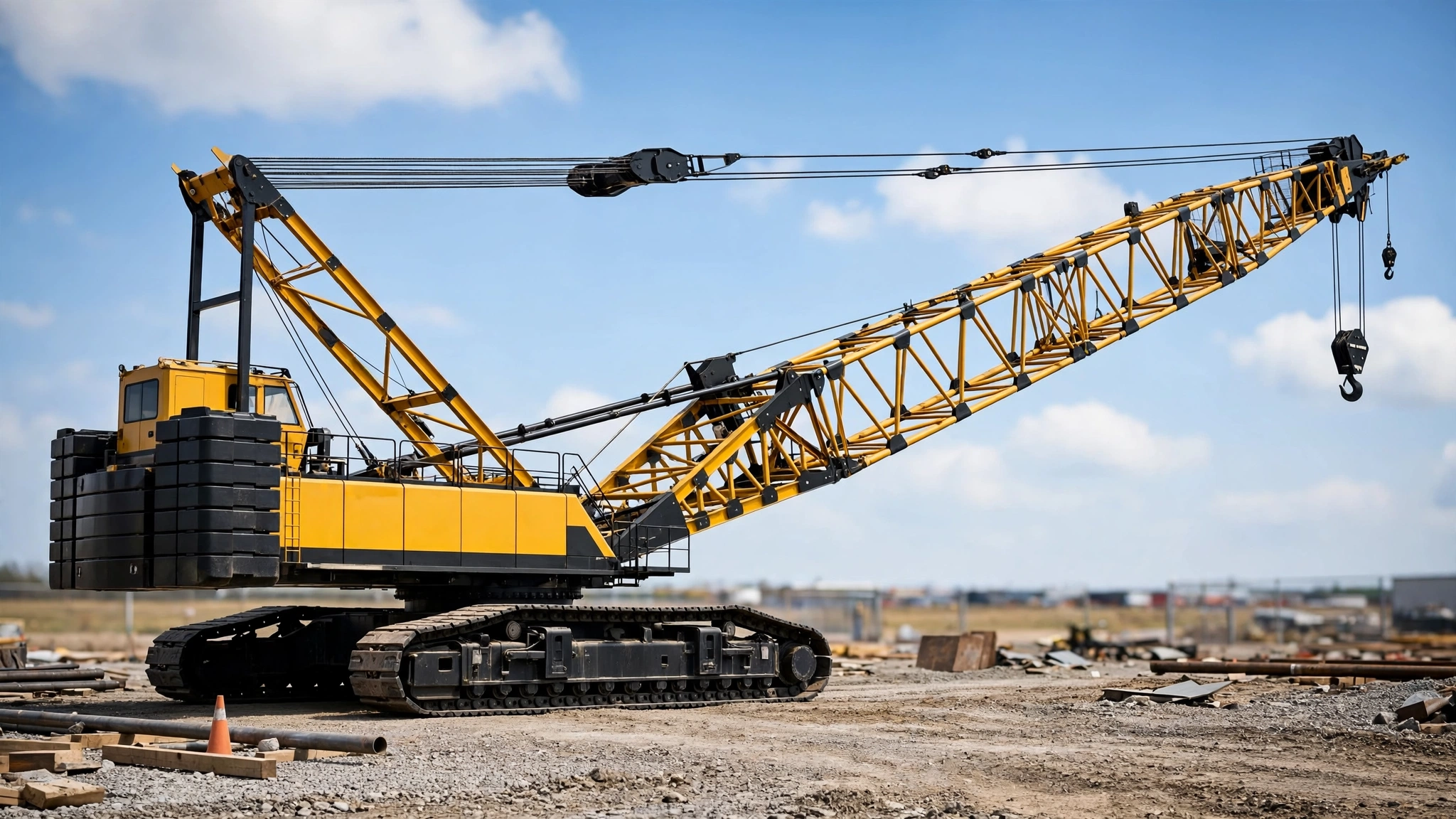
The third factor is boom. The boom provides reach. The boom provides height. Mining operations need both. Your equipment needs the right boom.
Boom Length
Measure your required reach. Measure the lifting height. Measure the horizontal distance. Add clearance for obstacles. Add clearance for safety. Your boom must reach every lift point. Longer booms provide more reach. Longer booms reduce capacity. Balance reach and capacity for your equipment.
Boom Type
Crawler cranes use lattice booms. Lattice booms are lightweight. Lattice booms are strong. Lattice booms come in sections. Sections bolt together. Sections can be added or removed. Your equipment needs the right sections. Heavy lifts need shorter booms. High lifts need longer booms. Lattice booms are standard for this application.
Jib Attachments
Jibs extend boom reach. Jibs provide additional height. Jibs provide additional radius. Mining often needs jibs. Jibs work near obstacles. Jibs reduce boom swing. Your crawler crane for mining may need a jib. Consider luffing jibs for tight spaces. Consider fixed jibs for simple extensions. Jib selection supports your lifting needs.
4 Factor 4: Undercarriage and Track Design
The fourth factor is the undercarriage. The undercarriage supports everything. The undercarriage moves the crane. Mining conditions stress the undercarriage. Your machine needs a durable undercarriage.
Track Shoes
Track shoes contact the ground. Shoes can be steel or rubber. Steel shoes work on hard rock. Steel shoes provide durability. Rubber shoes work on soft ground. Rubber shoes reduce ground damage. Rubber shoes reduce vibration. Your equipment needs the right shoes. Steel for open pit mines. Rubber for underground mines. Match shoes to your application.
If auxiliary trenching or excavation is needed on-site, a machine like the TYPHON Terror XVII Pro Prestige Edition Mini Excavator offers premium hydraulic power.
Track Width
Wider tracks distribute weight better. Wider tracks reduce ground pressure. Narrower tracks maneuver better. Narrower tracks fit tight spaces. Your equipment needs proper track width. Wide tracks for soft ground. Narrow tracks for confined areas. Consider your site conditions for the equipment.
Track Drive System
The drive system powers the tracks. Hydraulic motors turn the tracks. Electric motors turn the tracks. Hydraulic systems are common. Hydraulic systems provide torque. Hydraulic systems provide control. Your crawler crane for mining needs reliable drives. Inspect drive components regularly. Maintain drive systems properly. Drive reliability supports your operations.
5 Factor 5: Power Source and Fuel Efficiency
The fifth factor is power. Power runs everything. Power moves the tracks. Power operates the hoist. Power swings the upper structure. Your crawler crane for mining needs adequate power.
Engine Type
Crawler cranes use diesel engines. Diesel engines provide high torque. Diesel engines are fuel efficient. Diesel engines are durable. Your crawler crane for mining needs a reliable engine. Look for electronic fuel injection. Look for turbocharging. Look for aftercooling. These features improve performance. These features improve efficiency. Engine selection supports your operations.
Fuel Consumption
Mining operations run long hours. Mining operations run every day. Fuel costs add up quickly. Your equipment should be efficient. Check the fuel consumption rate. Compare different models. Consider fuel storage on site. Consider fuel delivery logistics. Fuel efficiency saves money. Fuel efficiency matters for a crawler crane for mining.
Emissions Compliance
Mining sites have emission regulations. Underground mines have strict rules. Surface mines have requirements. Your crawler crane for mining must comply. Look for Tier 4 engines. Look for Stage V engines. These engines reduce emissions. These engines meet regulations. Compliance avoids fines. Compliance protects workers. Emission compliance supports your site.
6 Factor 6: Safety Features
The sixth factor is safety. Mining is dangerous. Mining involves heavy loads. Mining involves difficult conditions. Your machine must be safe. Safety features protect operators. Safety features protect workers. Safety features protect equipment.
Load Moment Indicators
LMI systems monitor loads. LMI displays load weight. LMI displays load radius. LMI shows capacity percentage. LMI alarms at overload. LMI prevents tipping. Your crawler crane for mining needs a working LMI. Calibrate LMI regularly. Test LMI before each shift. Never bypass LMI systems. LMI is essential for heavy lifting.
To ensure optimal safety checks, review the best practices detailed in our 7 maintenance tips guide.
Anti-Two Block Systems
Anti-two block prevents block jamming. The hook block hits the boom tip. This causes cable breakage. This causes load drops. The system stops hoist movement. Your crawler crane for mining needs this system. Test the system daily. Replace worn sensors. Maintain system function. Anti-two block protects your equipment.
Operator Visibility
Mining sites have blind spots. Mining sites have limited space. Your machine needs good visibility. Large windows help visibility. Camera systems help visibility. Mirror systems help visibility. Operators must see the load. Operators must see the site. Operators must see workers. Visibility is critical for operations.
Emergency Systems
Emergency stops shut down the crane. Emergency stops prevent accidents. Emergency stops work instantly. Your crawler crane for mining needs emergency stops. Multiple stops around the crane. Stops in the cab. Stops at ground level. Train workers on emergency stops. Test emergency stops regularly. Emergency systems support your operations.
7 Factor 7: Maintenance and Support
The seventh factor is maintenance. Mining operations run continuously. Downtime costs money. Your equipment needs reliable support. Maintenance access matters. Parts availability matters. Service support matters.
Maintenance Access
Can you reach all components? Can you check fluids easily? Can you change filters easily? Your crawler crane for mining should have good access. Walkways help access. Platforms help access. Ground-level service points help. Good access reduces service time. Good access reduces costs. Maintenance access supports your equipment.
Parts Availability
Crane breakdowns need quick parts. Waiting for parts causes delays. Your machine needs parts availability. Check manufacturer parts network. Check local dealer inventory. Check delivery times. Consider common part stocks. Consider critical part stocks. Parts availability keeps your crawler crane for mining running.
Service Support
Manufacturer support matters. Dealer support matters. Your equipment needs service support. Check service response times. Check service technician training. Check warranty coverage. Check service contract options. Good support reduces downtime. Good support saves money. Service support is vital for operations.
8 Additional Considerations for Mining Applications
Beyond the seven factors, consider these additional points. These points further refine your crawler crane for mining selection.
Dust Protection
Mining sites are dusty. Dust damages components. Dust clogs filters. Dust wears surfaces. Your equipment needs dust protection. Sealed electrical systems help. Sealed hydraulic systems help. Special air filters help. Regular cleaning helps. Dust protection extends component life.
Heat Management
Mining operations generate heat. Equipment generates heat. Your crawler crane for mining needs cooling. Engine cooling systems must work. Hydraulic cooling systems must work. Check cooling capacity. Check cooling efficiency. Heat management prevents failure. Heat management supports your machine.
Operator Training
Operators need specific training. Your equipment is complex. Operators must understand controls. Operators must understand safety. Operators must understand maintenance. Invest in operator training. Train on the specific model. Train on site conditions. Training improves performance. Training improves safety. Training supports your crawler crane for mining.
9 Conclusion
Selecting the right crawler crane for mining is essential. It handles extreme conditions. It lifts heavy loads. It works on rough terrain. Consider these seven factors carefully. Evaluate lifting capacity requirements first. Assess mobility and terrain conditions. Choose the right boom configuration. Select durable undercarriage components. Verify power source and fuel efficiency. Check all safety features. Confirm maintenance and support availability.
Your crawler crane for mining decision affects your operation. The right choice increases productivity. The right choice improves safety. The right choice reduces costs. The wrong machine causes problems. Take your time with selection. Consult with experts. Visit other mining operations. Test different models. Make an informed decision.
Your crawler crane for mining is a long-term investment. Protect that investment with proper selection. Train your team on the new equipment. Maintain your equipment regularly. Review your performance annually. Adjust your fleet as operations change. Your mining success depends on the right crawler crane for mining.
10 Our Business Partners
We believe in collaborating with the best in the industry to bring unmatched value to our construction projects. Watch the video below to learn more about our operational standards and partnerships.


[…] a mining company using mining crawler cranes. They buy a unit. It works for 20 years. It lifts ore and equipment daily. The cost per year is […]