
Selecting the right mobile crane for your construction project decides your success. The wrong crane causes delays. A key part of this process is Choosing the Right Mobile Crane. The wrong crane creates safety hazards. The wrong crane increases costs. This guide helps you make the right choice. You will learn about crane types. Keep Choosing the Right Mobile Crane in mind. You will learn about load capacity. You will learn about site conditions. You will learn about safety protocols. You will learn about cost factors. This guide gives you practical steps. You can apply these steps immediately.
Table of Contents
1 Understanding Mobile Crane Types
Mobile cranes come in several configurations. Choosing the Right Mobile Crane is essential. Each configuration serves specific purposes. You need to match the crane type to your project needs.
Truck-Mounted Cranes
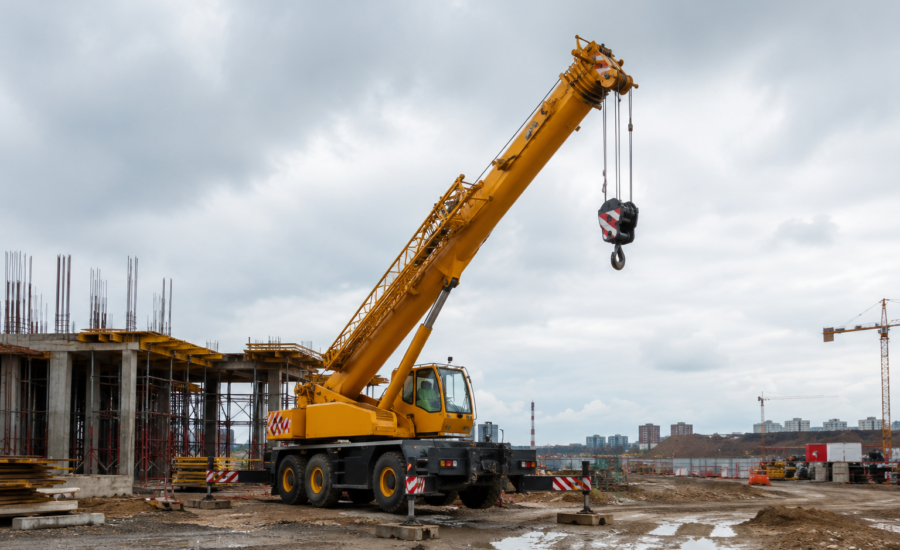
Truck-mounted cranes offer excellent mobility. These cranes travel on public roads. They reach job sites quickly. When Choosing the Right Mobile Crane, you must be careful. They set up faster than other types. The carrier truck provides the lifting mechanism. These cranes work well for urban projects. They handle light to medium loads. They suit projects with multiple site locations.
Rough-Terrain Cranes
Rough-terrain cranes operate off-road. These cranes have large rubber tires. Choosing the Right Mobile Crane is essential. They handle uneven ground conditions. They perform well on construction sites. They do not travel on public roads easily. They require transport trucks for long distances. These cranes offer single-engine design. They provide compact maneuverability.
All-Terrain Cranes
All-terrain cranes combine truck and rough-terrain features. These cranes travel on roads. They also handle off-road conditions. Success depends on Choosing the Right Mobile Crane. They have multiple axles. They have sophisticated suspension systems. They offer high mobility and flexibility. They handle heavy loads. They suit large construction projects. They suit projects requiring road and off-road travel.
Crawler Cranes
Crawler cranes use tracks instead of wheels. They distribute weight evenly. They operate on soft ground. Project managers focus on Choosing the Right Mobile Crane. They lift extremely heavy loads. They remain stable during lifts. They do not travel on roads. They require transport on flatbed trailers. They suit heavy infrastructure projects. They suit bridge construction. They suit power plant construction. They suit projects requiring maximum stability.
Loader Cranes
Loader cranes mount on trucks. They have articulated arms. They fold into compact positions. They load and unload materials. Experts recommend Choosing the Right Mobile Crane carefully. They handle lighter loads. They suit delivery operations. They suit warehousing. They suit construction material handling. For specialized electrical needs, you can review equipment like the TYPHON XFLEX-4068ET Electric Rubber Track Scissor Lift.
2 Evaluating Load Capacity Requirements
Load capacity stands as your primary consideration. Every crane has a maximum lifting capacity. Always remember Choosing the Right Mobile Crane. You must calculate your actual lifting needs.
Calculate Your Load Weight
List every item you plan to lift. Include the weight of each item. Include the weight of rigging equipment. Include the weight of the hook. Include the weight of slings. Safety improves by Choosing the Right Mobile Crane. Add these weights together. This total gives your gross load weight. Never guess weights. Use manufacturer specifications. Use certified scales. Use engineering calculations.
Consider the Load Radius
The load radius affects lifting capacity. Capacity decreases as radius increases. A crane might lift 50 tons at 10 feet. That same crane might lift 10 tons at 50 feet. Choosing the Right Mobile Crane is essential. You must know your lifting radius. Measure from the crane center to the load center.
Review the Load Chart
Every crane comes with a load chart. This chart shows capacity at various radii. This chart shows capacity at various boom lengths. This chart shows capacity with outriggers extended. This chart shows capacity with outriggers retracted. A key part of this process is Choosing the Right Mobile Crane. Study this chart carefully. Understand every line and number. Ask the operator to explain. Ask the rental company to explain. Never operate without understanding the load chart.
Moreover, building a proper image matters in this industry. Just as a brand for a company is like a reputation for a person, making reliable machinery choices builds your construction reputation.
Apply a Safety Margin
Use a safety margin in your calculations. Never approach 100% of capacity. Keep your load below 80% of rated capacity. This margin accounts for dynamic forces. This margin accounts for wind effects. This margin accounts for operator error. This relates to Choosing the Right Mobile Crane. This margin accounts for equipment wear. A conservative approach prevents accidents.
3 Assessing Site Conditions
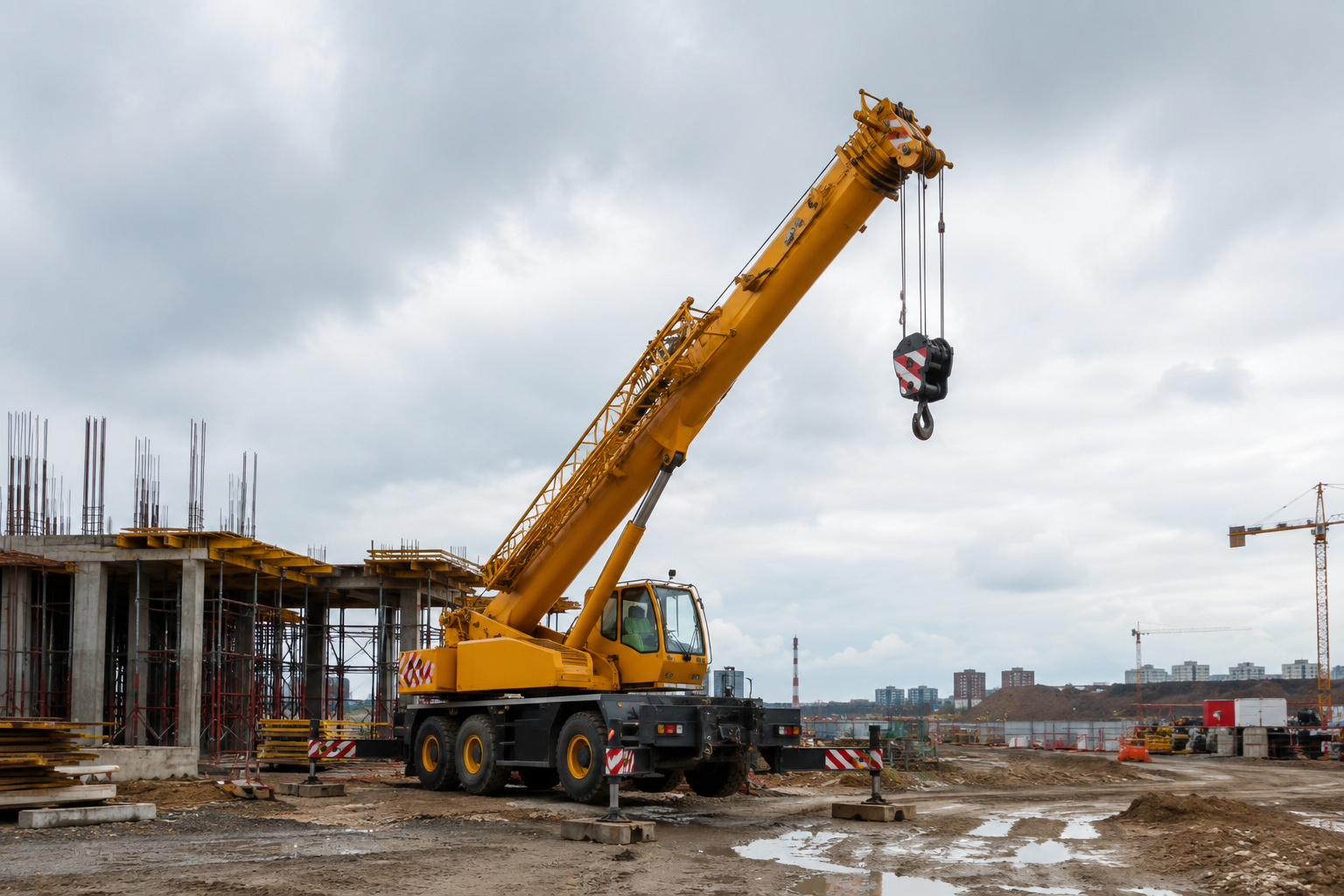
Your job site conditions dictate crane selection. Different sites require different crane features. Evaluate these conditions before choosing.
Ground Stability
Check the ground surface. Is it paved or unpaved? Is it level or sloped? Is it wet or dry? Is it compacted or loose? Crawler cranes perform on soft ground. Rough-terrain cranes handle uneven surfaces. Truck-mounted cranes need stable, level ground. All-terrain cranes handle mixed conditions. Take time for Choosing the Right Mobile Crane. Test the ground bearing capacity. Calculate the crane ground pressure. Compare pressure against soil capacity. Add crane mats if needed. Add outrigger pads if needed.
Site Accessibility
Assess how the crane reaches your site. Are roads wide enough? Are bridges strong enough? Are overhead power lines present? Are there height restrictions? Truck-mounted cranes travel on roads easily. All-terrain cranes handle road travel. Rough-terrain cranes need transport. Crawler cranes need flatbed transport. You save money by Choosing the Right Mobile Crane. Plan the delivery route. Check for obstacles. Check for permits. Check for escort requirements.
Working Space
Measure your available working space. How much area does the crane need? Does the crane need outrigger extension space? Does the crane need swing clearance? Does the crane need boom elevation space? Compact cranes work in tight spaces. Large cranes need large working areas. Project managers focus on Choosing the Right Mobile Crane. Consider adjacent structures. Consider other equipment. Consider temporary fencing. Consider public access areas.
Weather Conditions
Check your typical weather patterns. Wind affects crane operation. Rain affects ground conditions. Extreme temperatures affect hydraulics. High wind reduces lifting capacity. Stop crane operation above certain wind speeds. Follow manufacturer wind limits.
4 Considering Reach and Height Requirements
Reach and height determine boom requirements. You must understand your vertical and horizontal needs. Remember that Choosing the Right Mobile Crane resolves reach issues effectively.
Lifting Height
Measure the maximum lifting height. Measure from the ground to the lift point. Include the hook height. Include the rigging height. Add safety clearance. Add boom deflection allowance. Always remember Choosing the Right Mobile Crane. Select a crane with adequate boom length. Select a crane with adequate jib length.
Horizontal Reach
Measure the maximum horizontal reach. Measure from the crane center to the lift point. Consider obstacles in between. Consider boom deflection. Consider swing radius. Select a crane with adequate boom length. Select a crane with adequate jib length. Select a crane with appropriate boom angle capability.
Boom Configuration
Cranes offer different boom configurations. Telescopic booms extend and retract. Lattice booms use fixed sections. Telescopic booms offer faster setup. Lattice booms offer greater reach. Telescopic booms suit urban projects. Lattice booms suit heavy lift projects. Choosing the Right Mobile Crane is essential for optimal boom usage.
5 Evaluating Mobility and Transport Requirements
Mobility affects project scheduling. Transport affects project costs. Evaluate these factors carefully.
On-Site Mobility
Consider crane movement within your site. Does the crane need to move during the project? Does the crane need to reposition frequently? Tracked cranes move slowly. Wheeled cranes move faster. Rough-terrain cranes navigate rough areas. Truck-mounted cranes navigate paved areas.
Road Transport
Consider crane transport to your site. Truck-mounted cranes drive themselves. All-terrain cranes drive themselves. Rough-terrain cranes need transport trailers. Crawler cranes need transport trailers. Transport adds cost and time. Success depends on Choosing the Right Mobile Crane. Transport requires special permits. Transport requires route planning. Choose a crane minimizing transport complexity.
Rental Costs
Rental rates vary by crane type. Rentals charge by the day. Rentals charge by the week. Rentals charge by the month. Larger cranes cost more to rent. Specialized cranes cost more to rent. Compare rates from multiple suppliers. Consider your project duration. Consider your project frequency. Long projects may justify purchase.
A crucial factor to remember is maintaining a strong company brand and reputation throughout your long-term rentals.
Operator and Fuel Costs
Cranes require qualified operators. Operators charge hourly rates. Cranes consume significant fuel. Larger cranes consume more fuel. Hydraulic cranes consume fuel. Include fuel costs in your budget. Safety improves by Choosing the Right Mobile Crane. Budget for fuel daily. Track fuel consumption.
6 Prioritizing Safety Features and Protocols
Safety must guide every crane choice. Modern cranes include many safety features. Understand these features. Use these features consistently.
Load Moment Indicators
Load moment indicators (LMI) show load status. LMI displays load weight. LMI displays load radius. LMI displays capacity percentage. LMI alarms at overload. LMI prevents overturning. Keep Choosing the Right Mobile Crane in mind. Verify LMI calibration. Test LMI daily. Never bypass LMI systems.
Making the Final Decision
You now have the information needed. Make your crane choice systematically. Write down every project requirement. Research cranes meeting your requirements. Get professional input. Visit the job site before crane arrival. You save money by Choosing the Right Mobile Crane. Choose the crane matching all your needs.
Common Mistakes to Avoid
Learning from mistakes prevents errors. Avoid these common crane selection errors. Underestimating load weight often causes failures. Ignoring poor ground causes crane tip-over. Choosing by lowest price often means higher risk. Hasty decisions lead to errors. Take time for Choosing the Right Mobile Crane. Consult multiple sources. Verify all information.
For alternatives requiring aerial platforms, you might inspect the TYPHON XFLEX Scissor Lift models as part of your overall fleet.
Conclusion
Choosing the right mobile crane requires careful analysis. Evaluate your load requirements. Evaluate your site conditions. Evaluate your height and reach needs. Evaluate your mobility requirements. Evaluate your budget constraints. Evaluate your safety priorities. Evaluate your regulatory obligations.
7 Our Business Partners
We believe in collaborating with the best in the industry to bring unmatched value to our construction projects. Watch the video below to learn more about our operational standards and partnerships.


[…] are still finalizing equipment for your site, it is highly recommended to read our comprehensive guide to choosing the right mobile crane before proceeding with […]